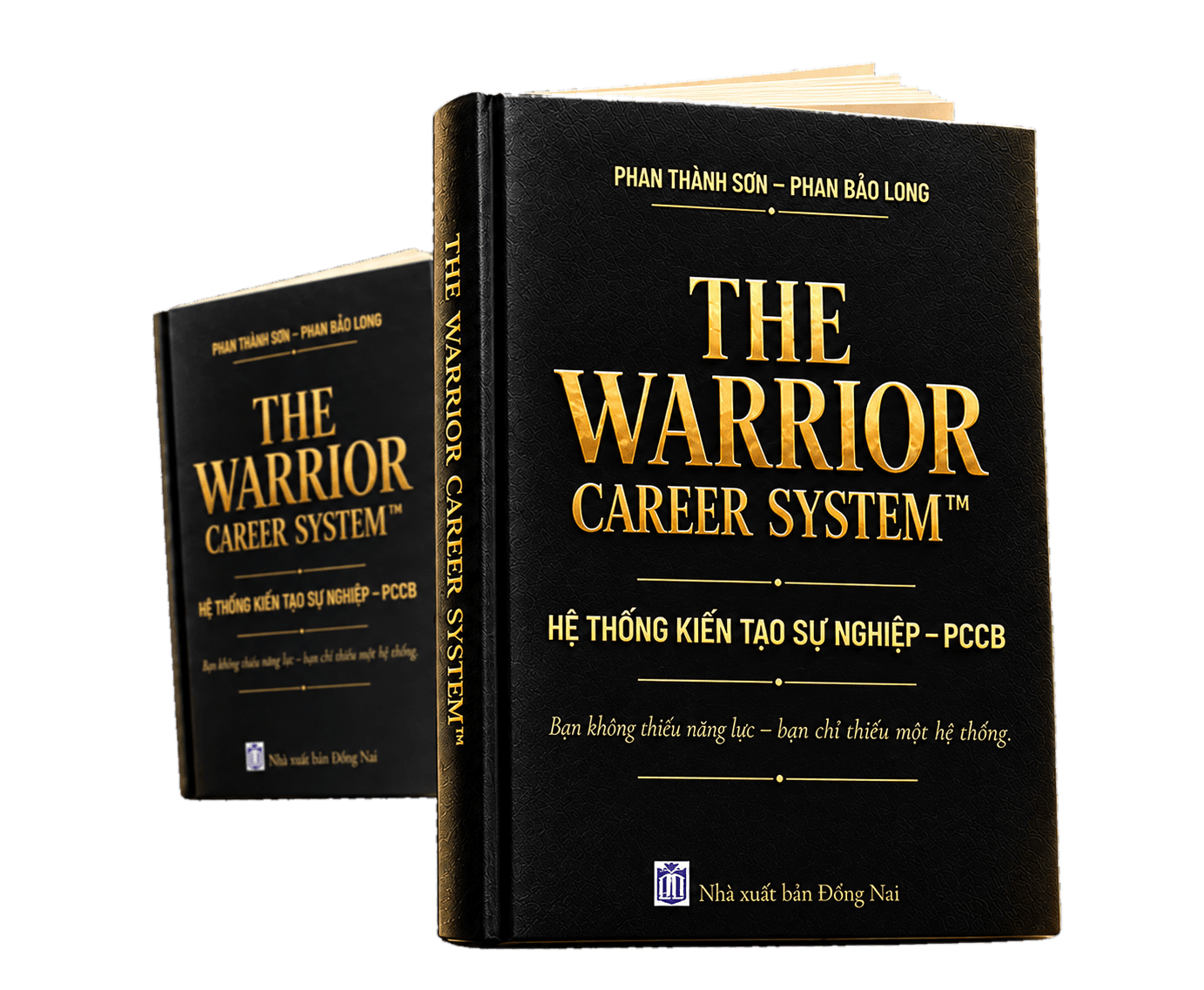
THEWARRIORCAREER SYSTEM™The Career-Building System
"You're not short on ability — you're just short on a system."
PCCB is a practical system that helps young people understand themselves more clearly, look at fields of study and the job market through data, turn their studies into proof of competency, and turn their choices into a concrete action plan.
PCCB doesn't decide your future for you. It helps you ask better questions, test your choices sooner, and design, step by step, a path that fits you.
This book is for you if…
This book is for you if…
- You don't yet know which field or career really fits you.
- You've studied a lot, but haven't turned it into provable competency.
- You're facing a decision about a major, school, company, or a career change.
- You have a goal but don't know where to start in the next 07 days.
The Book
It's not just a book.
It's a system.
THE WARRIOR CAREER SYSTEM™ packages the entire PCCB system into one ordered reading journey — from seeing the real problem to a concrete action plan.
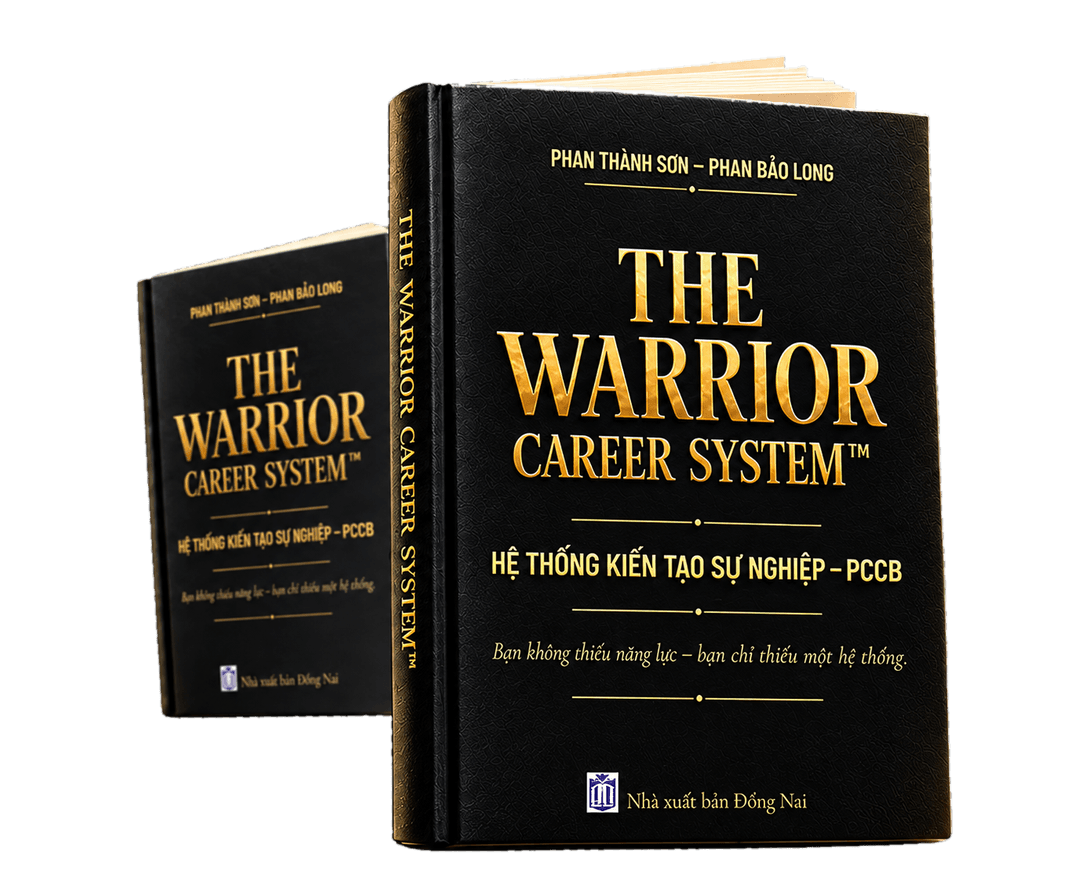
Your careershould not beleft to chance.
THE WARRIOR CAREER SYSTEM™ helps you turn your career into a deliberate journey — built on data, evidence, and a clear system, instead of waiting on luck.
The PCCB System
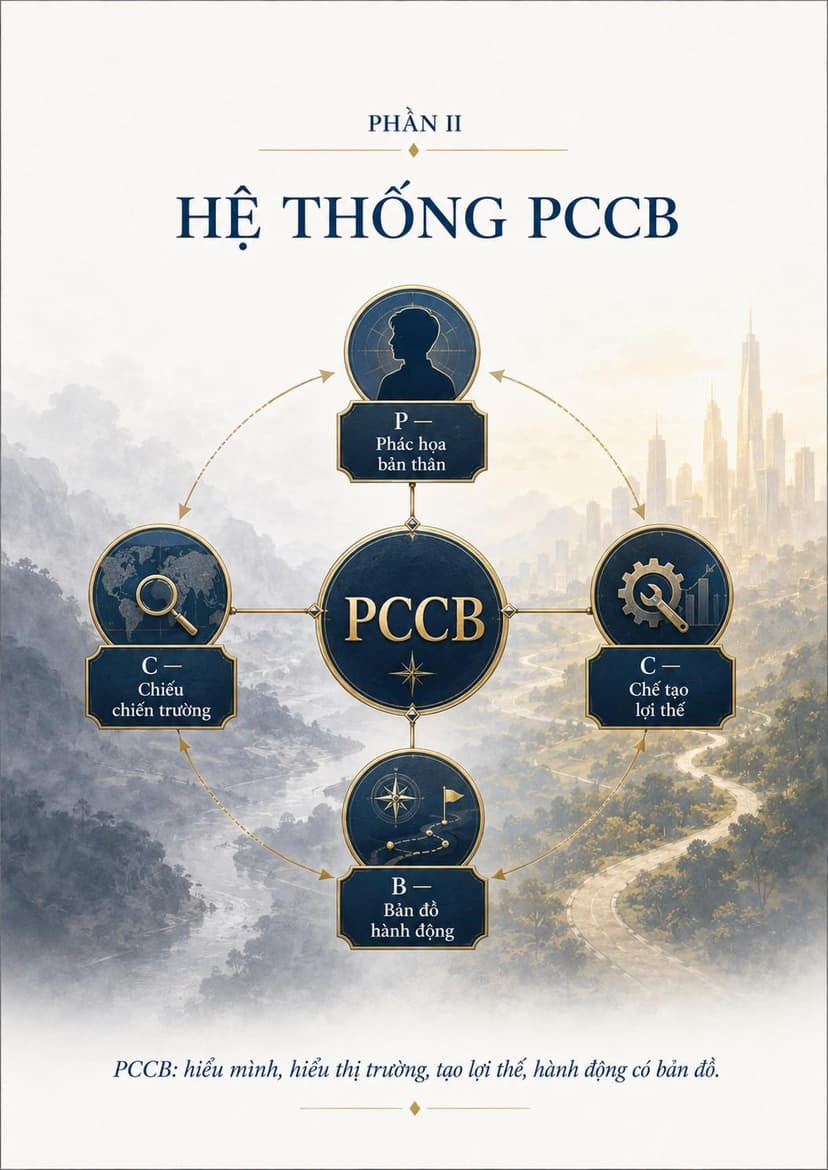
PCCB is a system for deciding and acting
PCCB is built to help young people make study and career decisions in a world where you'll never have perfectly complete data. You don't need to know everything for certain from day one, you don't need to get it exactly right the first time, and you don't need to force yourself to find a "big passion" before you start acting.
What you need is a way to:
- Understand yourself more clearly.
- See the market more realistically.
- Experiment at a small scale.
- Create concrete proof of competency.
- Adjust promptly as new data comes in.
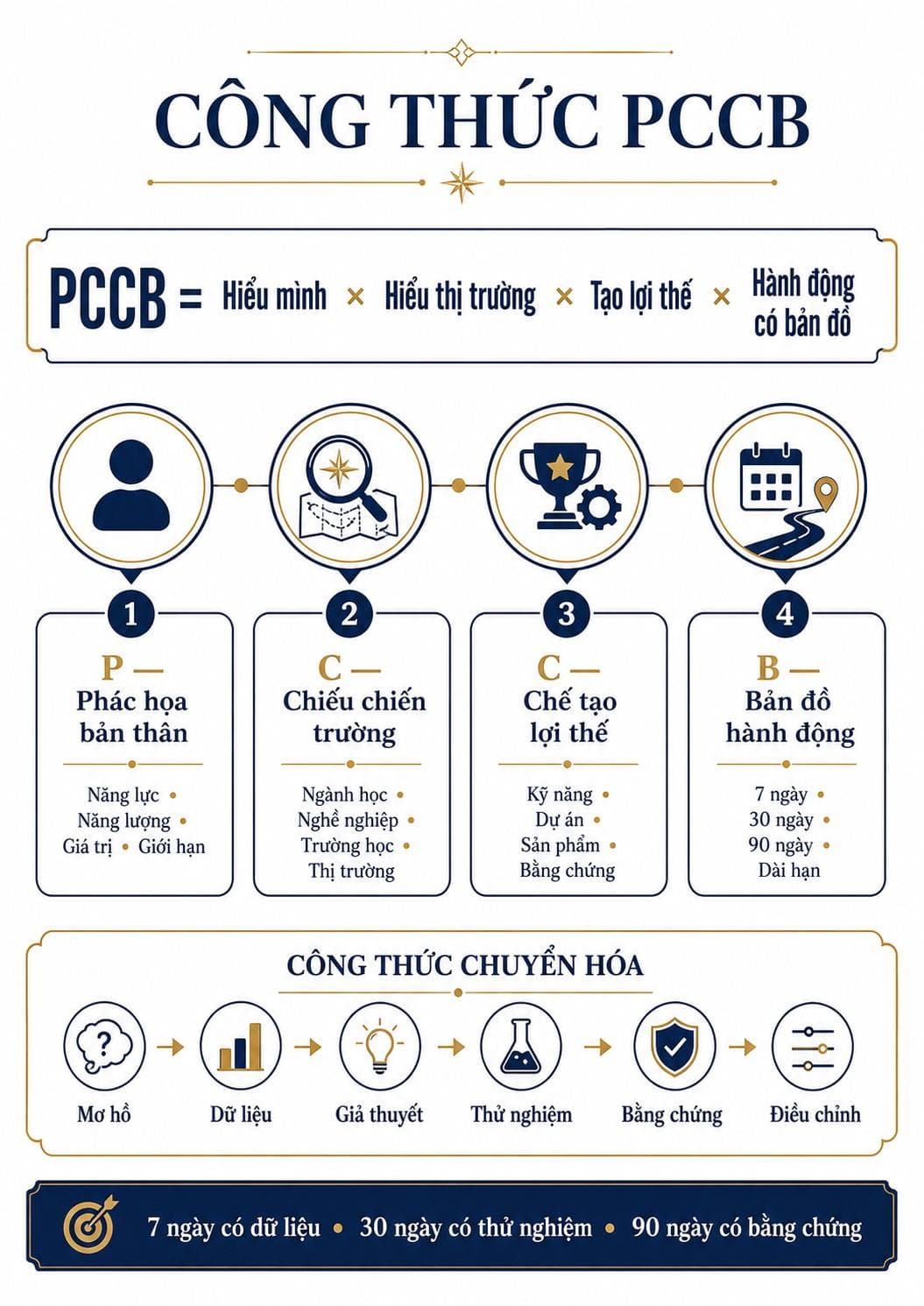
Profile · Self-Mapping
Profile yourself
Who am I, where am I strong, what gives me energy, and what are my limits?
Observe and gather evidence about your abilities, energy, personal values, strengths, areas to develop, and the conditions that help you grow — understanding yourself more clearly over time through experience and feedback.
Who am I, where am I strong, what gives me energy, and what are my limits?
Observe and gather evidence about your abilities, energy, personal values, strengths, areas to develop, and the conditions that help you grow — understanding yourself more clearly over time through experience and feedback.
What does the market need, how do fields of study really work, and what do real jobs actually require?
Look at fields of study, universities, careers, companies, and the labor market through data — verified across multiple sources: official reports, job postings, real experience, and conversations with people already in the field.
What skills, products, projects, and proof of competency can I turn my studies into?
Build an edge that fits you by proving you can learn, work, solve problems, and create value — through concrete evidence like projects, products, articles, internships, or feedback from mentors.
What will I do in the next 07 days, 30 days, 90 days, 1 year, and beyond?
Turn a still-uncertain choice into steps you can start, measure, and adjust — a good plan is one with checkpoints, feedback, and room to change.
PCCB is a four-step practice framework that can be continuously updated based on data, experience, and real-world feedback — that's the role PCCB plays.


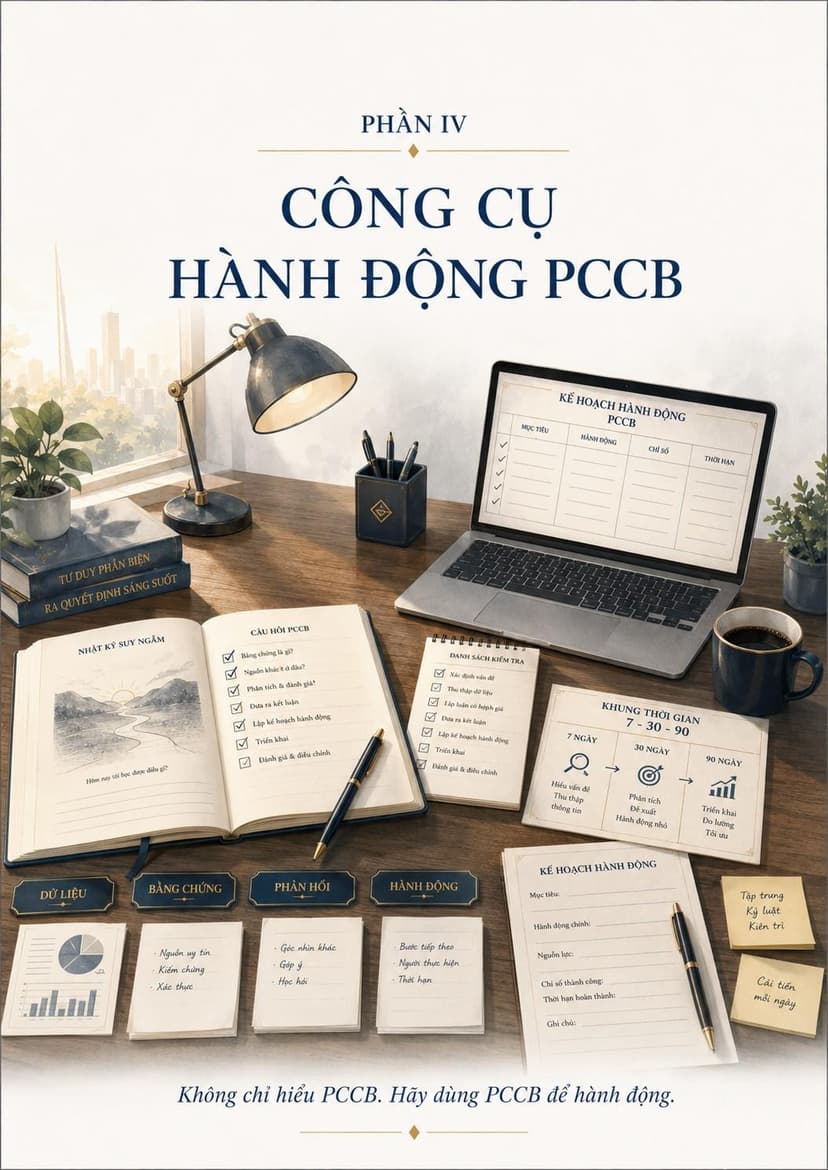


Practical toolkit
Don't just read to enjoy it — read to start acting
Every PCCB tool is designed to help you turn thinking into data, and data into action.
Field-selection matrix
Compare the fields you're considering based on your abilities, interests, market data, study conditions, and growth opportunities.
University evaluation scorecard
Evaluate schools by curriculum, cost, environment, internship opportunities, industry connections, and fit with your personal goals.
Career analysis template
Learn about the daily work, core skills, pressures, evaluation standards, and growth path of a career.
Job-posting analysis template
Observe the skills, tools, experience, and standards the market is asking for — an important real-world data source, one to be cross-checked against others.
Proof-of-competency portfolio
Record the projects, products, experiences, feedback, and results that show your ability to create value.
07 – 30 – 90 day plan
Turn a choice into action, experiments, expected results, and concrete checkpoints.
Execution plan
The 7 – 30 – 90 day framework
Activate
Start with one small action and gather your first data.
Verify
Test the field, career, or direction you're considering.
Create evidence
Produce at least one piece of competency evidence clear enough to evaluate.
After reading
What will you get from this book?
- 01
Career clarity
Career Clarity
Know your abilities, values, and the conditions you need to grow — instead of guessing.
- 02
Real market intelligence
Market Intelligence
See fields, schools, and careers through data instead of gut feeling or hearsay.
- 03
A concrete competitive edge
Competitive Advantage
Turn your studies into skills, products, and provable proof of competency.
- 04
A decision-making system
A Decision System
No need to wait on luck — a PCCB framework to answer "what should I choose" for yourself.
- 05
A long-term action plan
Long-term Leverage
A concrete 07 – 30 – 90 day roadmap to start with and keep adjusting.
Why choose this book
Why readers choose THE WARRIOR CAREER SYSTEM™
A practical framework
PCCB isn't theory — it's a 4-step system proven through practice.
24 in-depth chapters
An ordered reading journey, from seeing the problem to concrete action.
Real-world exercises
Not just reading — tools, worksheets, and exercises to follow along with.
A decision system
A reusable framework for every career choice, not just a one-time read.
Vietnamese context
Written for young Vietnamese, with data and examples close to local reality.


Contact & Partnerships
Get in touch with us
PCCB is looking to connect with readers, parents, schools, educational organizations, publishers, and media partners to bring practical career-guidance methods closer to young people.
We'd love to hear from you
Whether you're a student wanting to learn about PCCB, a parent wanting to support your child, or an organization wanting to partner with us — we're always glad to connect.